

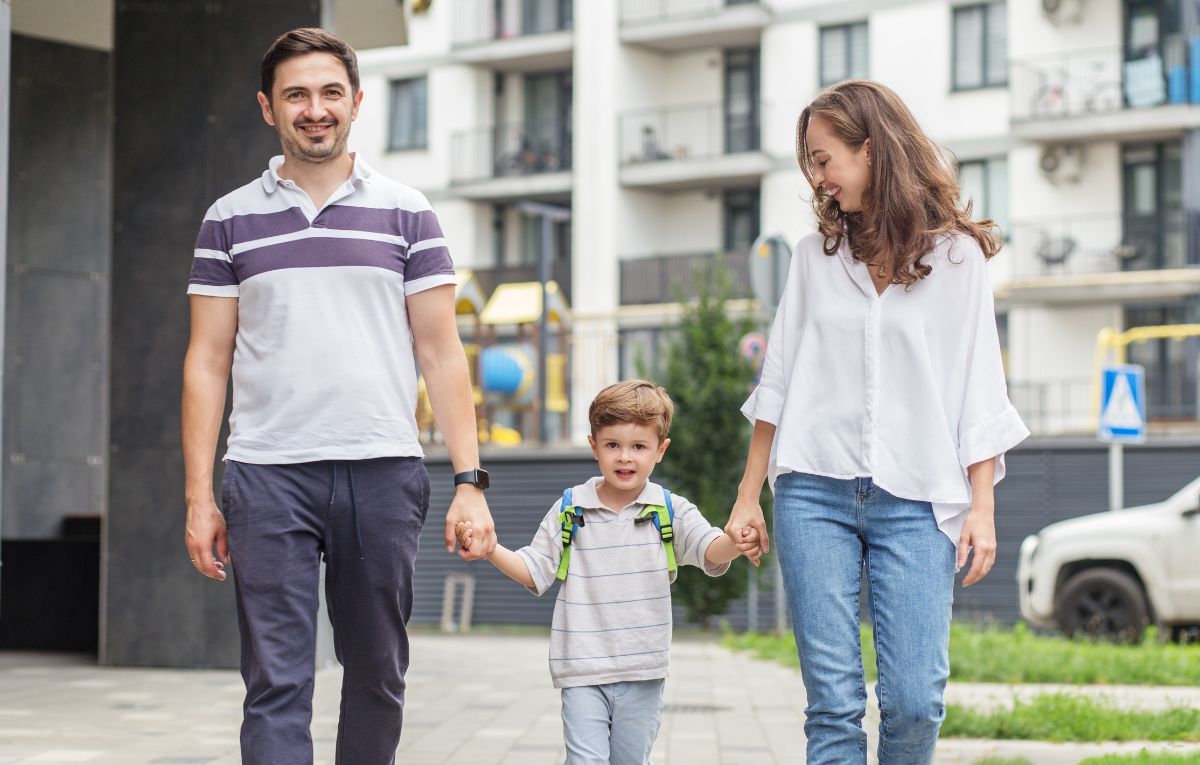

“This guide provides essential parental guidance for traveling with a baby or toddler. It covers strategic planning, stress free packing, and transit survival tactics, emphasizing flexibility and routine to help families transition from survival mode to enjoying meaningful travel experiences.”
To be honest, traveling with a baby is not a vacation. More like logistics relocation. Instead of reading by the pool, you’ll be washing a blowout out of a onesie in a hotel sink and hoping the neighbors don’t call security. Honestly, it’s worth it.
You can enjoy the trip after the survival period with good parental direction. The key is regulating your expectations and learning to adapt when things go wrong, not just having the appropriate gear.
Phase 1: Planning Without Losing Your Mind
The first error most parents make is choosing a destination without confirming if it’s toddler-friendly. Santorini’s cliffside villa is lovely unless you spend seven days saving a two-year-old from the Aegean. Plan family vacations with kids in low-friction areas. This means flat sidewalks for strollers, late-night grocery store access, and a comfortable temperature for your baby.
Throw away your old itinerary after choosing a site. Instead of five landmarks a day, aim for one or two if the stars align. Slow Travel regulation. If you speed a toddler through a museum, they’ll melt down in the loudest, most echoey room. Slowing down gives them time to explore a park or observe a street performer, which they usually prefer over a 15th-century painting.
Pay more for a flight that meets their nap schedule. The more expensive ticket hurts to buy, but if it spares you from an overtired shouting battle at 30,000 feet, it’s the best money you’ll ever spend. Avoid powering through when driving. Stop every two hours for 20 minutes of grass running. Resetting their internal I’m confined in a car seat clock lowers blood pressure.
Phase 2: The packing list for baby travel
Every baby travel checklist on the internet tells you to pack the kitchen sink. Don’t do it. You don’t need a month’s supply of diapers; they have babies in other cities, too. Focus your energy on the First 24 Hours bag. This is your holy grail. It stays with you in the cabin or the front seat and needs enough supplies to get you through a cancelled flight or a six hour traffic jam.
Inside that bag, include a full change of clothes for you. People always remember the extra baby outfit, but they forget that if the baby vomits, it’s going to be on the parent. Sitting in a terminal for four hours wearing the essence of curdled milk is a special kind of hell.
For the toddler travel essentials, think about psychological comfort. Travel is weird for kids. Their bedroom smells different, the light is wrong, and the noises are strange. Bring the unwashable items: the specific raggedy bear or the blanket that smells like home. These are the anchors that help them sleep in a strange Airbnb. Also, pack a basic medical kit. There is nothing worse than hunting for a thermometer in a foreign pharmacy at 3:00 AM while your child feels like a space heater.
Phase 3: Surviving the Journey
The airport is the gauntlet. To get through it, you have to lose your ego. Take the family lane and ask for the gate check tag for your stroller immediately. Speaking of strollers, unless you have a tiny cabin approved fold up, gate checking is usually the winner. It lets you wheel the kid and all your heavy bags right to the plane door.
Once you’re on the plane, it’s all about distraction. The Wrapped Gift trick is a lifesaver. Go to a dollar store and buy five or six cheap, random toys. Wrap them in loud, crinkly paper. Every time the kid starts to lose interest in life, hand them a present. The novelty of the new toy buys you time, and the act of unwrapping it is an activity in itself.
If you’re worried about how a long-haul flight might disrupt your child’s digital habits, check out our guide on parental guidance strategies for screen time to help you reset the balance once you return home
Phase 4: Setting Up the Away Home
When you finally get to your room, do a sweep. Hide the glass vases and use some painter’s tape to cover the outlets. Move the hotel coffee pods out of reach before they end up all over the floor. Creating a small safe zone where the kid can crawl around without you yelling No! every five seconds will save your sanity.
Keep bedtime routines consistent. Like bath book bed at home, do it in the hotel. It tells their brain that the cosmos still works even in a strange room. When they wake up from a huge time zone shift, get them outside in the sun. The fastest approach to resetting a confused internal clock is sunlight.
Food should be simple. Avoid messy travel with a baby who has just started solids by using bananas or pouches. Allow toddlers to consume bread and cheese for three days if the local food looks strange. You won’t win a nutritional standoff on vacation.
Conclusion
Finally, things will go awry. Missing a train, getting a fever or leaving the favorite pacifier at a rest stop four states away are all possibilities. When it happens, breathe. Kids are watching you. If you make the calamity an amusing story, they will keep calm.
When you travel, you show your kids that the world is wide and intriguing and that they can participate. The images may show you fatigued, but the memories of your toddler experiencing the ocean for the first time or your infant sleeping in a carrier while you walk through a historic city are priceless.
Disclaimer
This guide provides general parenting advice for information only. Consult a pediatrician or travel professional for specialized medical or safety advice for your child. Travel logistics are not our responsibility.


