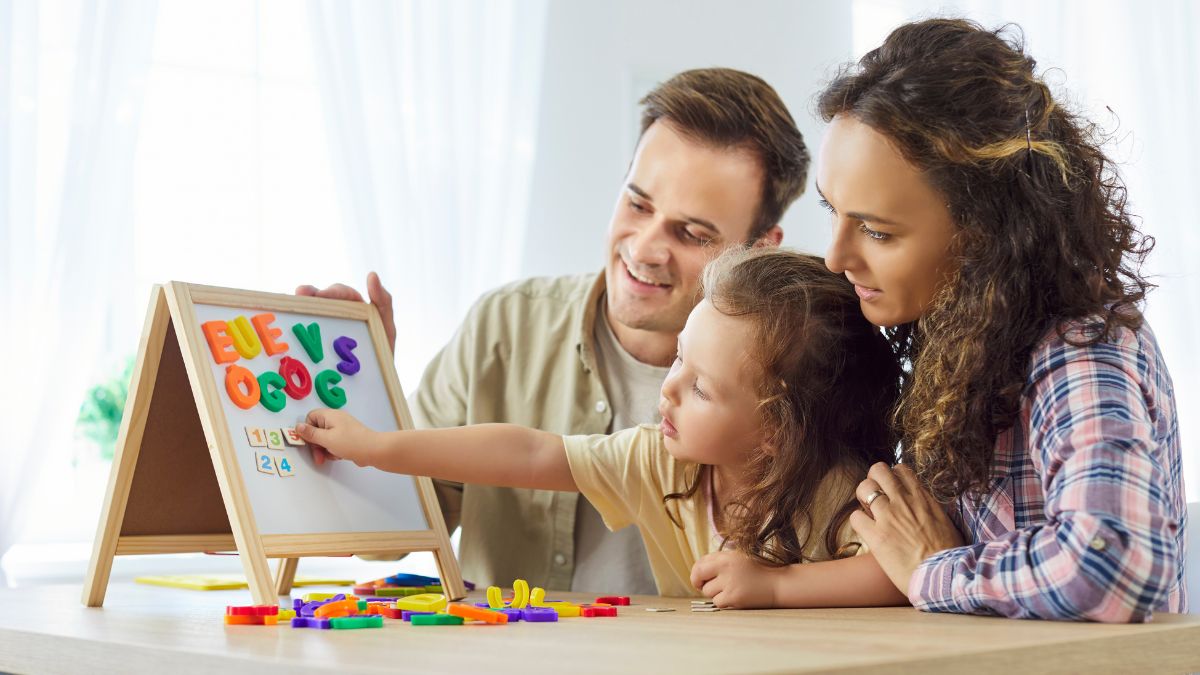

“This article highlights parental guidance as key to unlocking early childhood development. By turning daily routines into intentional toddler development activities, parents can foster language, motor skills and emotional intelligence, building a strong foundation for lifelong learning and curiosity.”
You will never see a more dramatic change than a baby becoming a toddler. One to three year olds’ brains are exploding with activity, generating millions of new connections every second. Parents may feel amazement and pressure. We often question if we’re buying the proper toys or behind on milestones.
My secret: parenting is not about being a drill sergeant or preschool instructor. Facilitation is key. Set the situation, step back, and allow their curiosity to take over. When you match toddlers’ daily routines to their brains, chores become brain-building hobbies.
The Science of the Why
To understand early childhood development, you have to look at the Serve and Return model. Think of it like a game of tennis. Your toddler serves by pointing at a dog, making a face, or babbling a question. You return the ball by acknowledging them: Yes, that’s a big brown dog! What do you think he’s looking at?
This back and forth isn’t just cute it’s the literal building block of brain architecture. It tells them that their attempts to communicate have power. This builds a foundation of emotional security that makes all other learning possible.
Sensory Play: The World is a Lab
Toddlers are the best scientists. They have to dig, taste and drop an object from a high chair to test it. Like thus, they process the world.
Simple sensory bins are great toddler development activities. Put dried rice, beans or water in a plastic tub with a few drops of dish soap. Include measuring cups and a funnel. They study volume, physics and motor control while scooping and pouring.
Talking, Not Just Telling
We often get caught up in how many words a toddler can say, but their understanding is usually miles ahead of their speech. A great way to boost this is through Sportscasting. Just narrate your life as you live it: I’m putting on my blue coat now. Let’s zip it up zip! Now we’re opening the heavy door to go outside.
This steady word flow helps kids relate sounds to actions. Try interactive reading approaches when you sit down. Why does the bear look sad? The hidden mouse where? This makes a passive activity toddler learning experience that promotes critical thinking and empathy.
Moving with Purpose
For the big muscles, you don’t need fancy gym equipment. A few pillows on the floor can become a mountain range to climb over. A strip of painter’s tape on the carpet becomes a balance beam. These activities help with coordination and heavy work, which provides the sensory input needed to help calm a toddler’s nervous system.
For tiny muscles, think about pincer grasp. This is strength they will eventually need to hold a pencil or tie their shoes. Let them play with playdough, or have them rescue plastic animals taped to a table with masking tape. These movements require focus and hand eye coordination, bridging the gap between physical strength and mental concentration.
The Logic of Little People
Learning to solve difficulties is cognitive growth. Request help with small chores to include this into your day. Perfect example: laundry sorting. Can you find all the white socks? or Put big and little clothing in these and those piles.
This introduces categorization and pattern recognition. Simple cause-and-effect activities like building a tower to knock it down teach them gravity and their agency.
Dealing with the Big Feelings
While we are busy focusing on ABCs, the most important early childhood development is actually happening in their hearts. Toddlers have massive emotions but few tools to manage them.
Name the feeling to help. Try saying, Most frustrated because it fell, as a tower melts down. We struggle when things do not go our way. By naming the emotion, it becomes less scary. Self regulation and emotional intelligence begin here.
Designing a Yes Environment
Many behavioral issues in toddlers stem from a frustrating environment. If your house is full of don’t touch that and no, a child’s natural drive to explore is constantly hitting a wall.
Try creating a Yes Space gated area or specific room where everything is safe for them to handle. Use low shelves instead of deep toy box. If you put out only five or six toys at a time and rotate them every week, they will actually play longer and more creatively. Too many choices usually lead to a child who simply throws everything on the floor and walks away.
The Big Picture
Ultimately, your child is a person to be discovered, not project. Development is not a sprint. Whether they walk at 10 months or 14 or speak in full phrases at 2 or 3, the goal is a confident youngster who can try, fail and try again.
These simple brain development activities for toddlers help them achieve milestones and form lifelong relationships. Trust your instincts, keep it simple, and remember toddlers play at work. In addition to helping kids reach these physical milestones, explore parental guidance options for screen usage and online safety to keep them safe in all environments.
Disclaimer
This content is for informational purposes only and does not replace professional medical or developmental advice. Always consult a pediatrician or specialist regarding your child’s specific needs. The author assumes no liability for actions taken based on this guide.