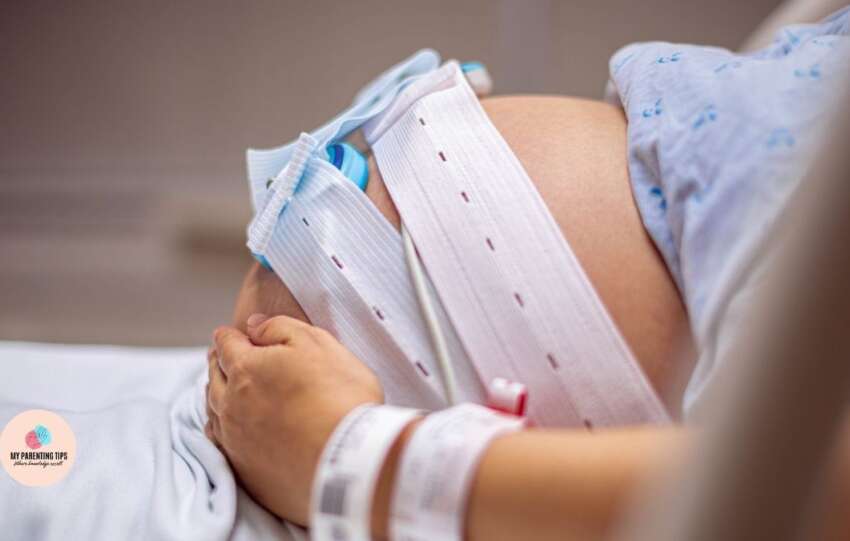

“This blog explains common pregnancy complications, their causes, warning signs, diagnosis and prevention, helping expectant parents understand risks early and manage pregnancy safely with timely medical care.”
During pregnancy your body and mind go through a lot of changes. Some people have Pregnancy Complications because of medical, genetic lifestyle or environmental issues even though most pregnancies go well. These problems can happen before conception or during pregnancy sometimes without any clear early signs.
The early awareness plays a vital role for expectant parents. Understanding the possible risks helps families recognize warning signs and attend regular checkups and follow medical advice with confidence and the reassuring truth is that many complications are manageable when identified early and supported by proper medical care.
Understanding Pregnancy Complications
Medically pregnancy complications refer to conditions that threaten the health of the mother the baby or both during pregnancy. These go beyond normal discomforts such as mild nausea fatigue or back pain.
A key difference between normal symptoms and complications lies in severity persistence and impact on health. For example occasional swelling can be normal but sudden swelling with headaches may indicate a serious concern.
Doctors identify a High risk pregnancy through medical history physical exams blood tests and imaging. Factors like age chronic illness or past pregnancy issues can raise risk levels guiding closer monitoring.
Maternal Health Related Complications
The complication affecting the mother may also influence fetal health. High blood pressure disorders including preeclampsia can reduce blood flow to the placenta and require careful management.
Gestational diabetes develops when blood sugar levels rise during pregnancy. With proper monitoring diet adjustments and sometimes medication most women manage it successfully.
Anemia due to iron deficiency causes fatigue and oxygen deficiency. Screening is necessary due to nutritional deficits and infections that enhance maternal health risks.
Placenta and Amniotic Fluid Complications
The placental conditions affect how nutrients and oxygen reach the baby. Placenta previa occurs when the placenta covers the cervix while placental abruption involves early separation from the uterine wall. Both require medical supervision.
Amniotic fluid levels are equally important. The low fluid may restrict fetal movement while excess fluid can signal underlying issues. These conditions can influence delivery planning and pregnancy outcomes when not addressed early.
Fetal Growth and Development Complications
Some complications impact how the baby grows and develops. Intrauterine growth restriction occurs when the fetus grows more slowly than expected often linked to placental or maternal factors.
Preterm labor raises the risk of early delivery which may affect organ development. Advances in monitoring allow doctors to detect congenital conditions during routine scans helping families prepare and plan appropriate care.
Pregnancy Loss and Emergency Complications
Pregnancy loss can happen at different stages. Miscarriage typically occurs in early pregnancy and is often related to chromosomal factors.
What Are the Most Common Complications of Pregnancy? An ectopic pregnancy where the embryo implants outside the uterus is a medical emergency requiring immediate attention. Stillbirth refers to pregnancy loss later in gestation and may be linked to infection placental issues or chronic illness.
Warning signs such as severe pain heavy bleeding or sudden changes in symptoms always require urgent medical care.
Lifestyle and Medical Risk Factors
Diabetes, thyroid disorders and autoimmune diseases raise maternal health concerns. Lifestyle choices also matter. Smoking, alcohol and substance usage increase complications.
Stress poor nutrition and limited prenatal care can further contribute to a high risk pregnancy. Addressing these factors early improves overall outcomes.
Warning Signs Expectant Mothers Should Not Ignore
Some symptoms should never be dismissed. Heavy bleeding and intense abdominal pain or sudden swelling of the face and hands may signal serious issues.
Headaches accompanied by vision changes can indicate blood pressure issues. Reduced fetal movement or persistent high blood sugar symptoms also warrant prompt evaluation. Trusting instincts and seeking care early can be lifesaving.
Diagnosis and Monitoring During Pregnancy
Regular prenatal checkups form the foundation of early detection. Ultrasounds help track growth and assess placental health while blood tests and glucose screenings identify potential concerns.
The consistent monitoring allows healthcare providers to manage Pregnancy Complications before they escalate often preventing long term consequences.
Prevention and Risk Reduction Strategies
Regular prenatal care early on prevents problems. A healthy pregnancy requires a balanced diet exercise and sleep.
Manage gestational diabetes and other health issues to reduce risk. Follow screening schedules and physician instructions to get care when required.
Emotional and Mental Wellbeing During Complicated Pregnancies
While facing complications can create anxiety and uncertainty while emotional well being matters as much as physical health. Support from family counselors and healthcare professionals helps expectant parents cope.
The open communication care providers build trust and clarity reducing fear and confusion throughout the pregnancy journey.
Conclusion
Pregnancy complications can range from minor to severe therefore we deal with serious medical difficulties. For both the mother and the baby being aware of what is going on keeping an eye on things and obtaining care on time can make a great difference.
Pregnant parents should feel reassured if they know about regular exams and seek support with concerns because modern medicine can fix most issues.