
If you are trying to conceive, your life likely revolves around a calendar. The most common starting point for almost everyone is an ovulation calculator. These digital tools are everywhere, promising to pinpoint the exact moment your body is ready for pregnancy. They offer a sense of control in a process that often feels entirely unpredictable.
But here is the truth: a calculator is a mathematical model, not a medical diagnostic. It works based on averages and as many people quickly learn, biological bodies rarely care about averages. To make these tools work for you, you must understand where the math ends and where your actual biology begins.
The Science of the Window
Before trusting a screen, know the window you want. Periods are hormonal relay races. The follicular phase creates the uterine lining and matures an egg. After ovulation the luteal phase prepares the womb for pregnancy.
The timing is incredibly tight. An egg only lives for about 12 to 24 hours after release. However, sperm are much hardier, surviving inside the reproductive tract for up to five days. This creates a fertile days prediction of about six days. The goal of any fertility tracking method is to ensure sperm are already present and waiting when the egg finally makes its appearance.
How the Math Works And Where It Fails
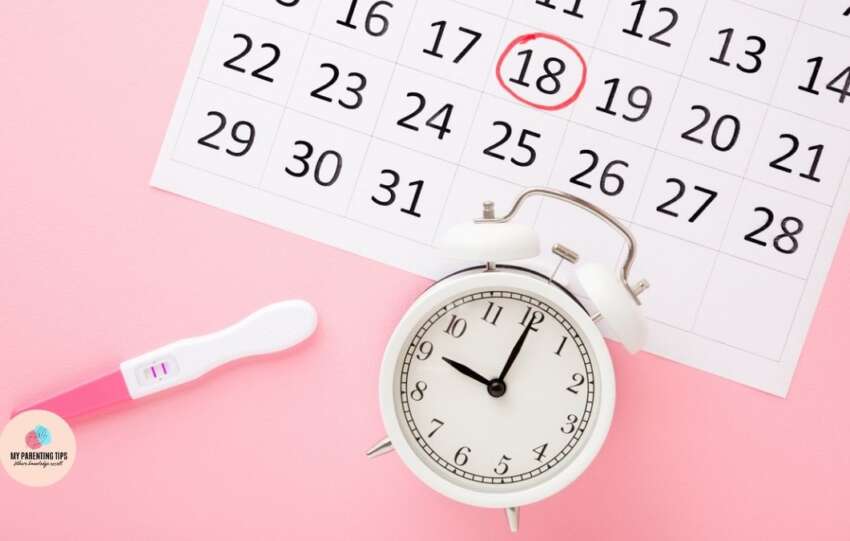
Most ovulation calculators use the calendar method. You input the date your last period started and the average length of your cycles. The algorithm then assumes you will ovulate exactly 14 days before your next period is due.
For a person with a consistent 28-day cycle, this math puts ovulation right at day 14. It’s clean and simple. The problem is that very few people have a perfect cycle every single month. Studies show that even those who consider themselves regular can see their ovulation cycle day shift due to minor life changes. If the math predicts day 14 but your body waits until day 17, you might stop trying just as your window is actually opening.
The Benefits of Using a Calculator
Even with these flaws, a calculator is a massive step up from just guessing.
- Pattern Finding: It forces you to track your dates. You might realize your normal cycle is actually 31 days, which changes your fertile window entirely.
- Actionable Planning: It gives you a start date. It tells you when to begin paying closer attention to your body’s physical changes.
- Accessibility: It’s a zero-cost way to get a baseline for your reproductive health.
Why Your Body Outperforms the Algorithm
The biggest limitation of a calculator is that it cannot account for real-time variables. Stress at work, a bout of the flu, or even a week of poor sleep can delay your hormones. A calculator doesn’t know you’re ill; it only knows what happened in previous months.
This is why the most successful trackers look for physical signs alongside the digital prediction. Your body signals when it is approaching its fertile days:
- Cervical Mucus: This is a highly reliable sign. When you are most fertile, discharge becomes clear and stretchy, like raw egg whites. This consistency is designed to help sperm travel
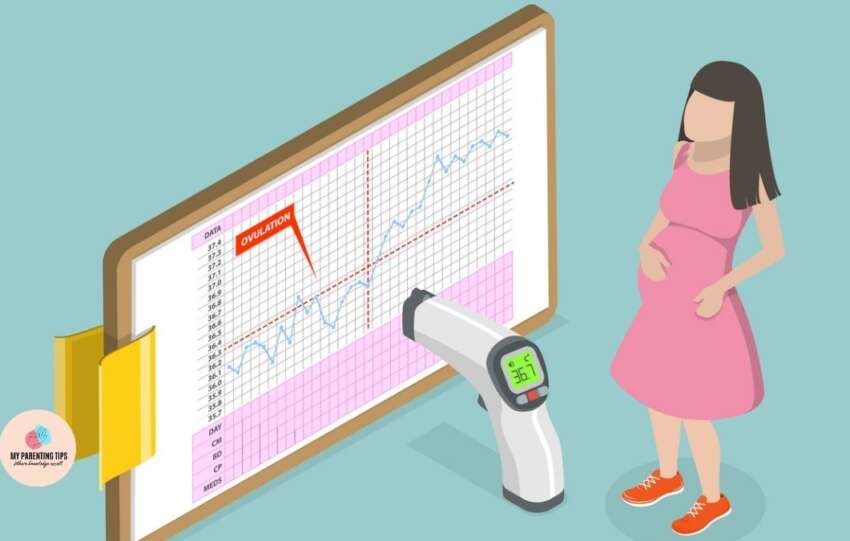
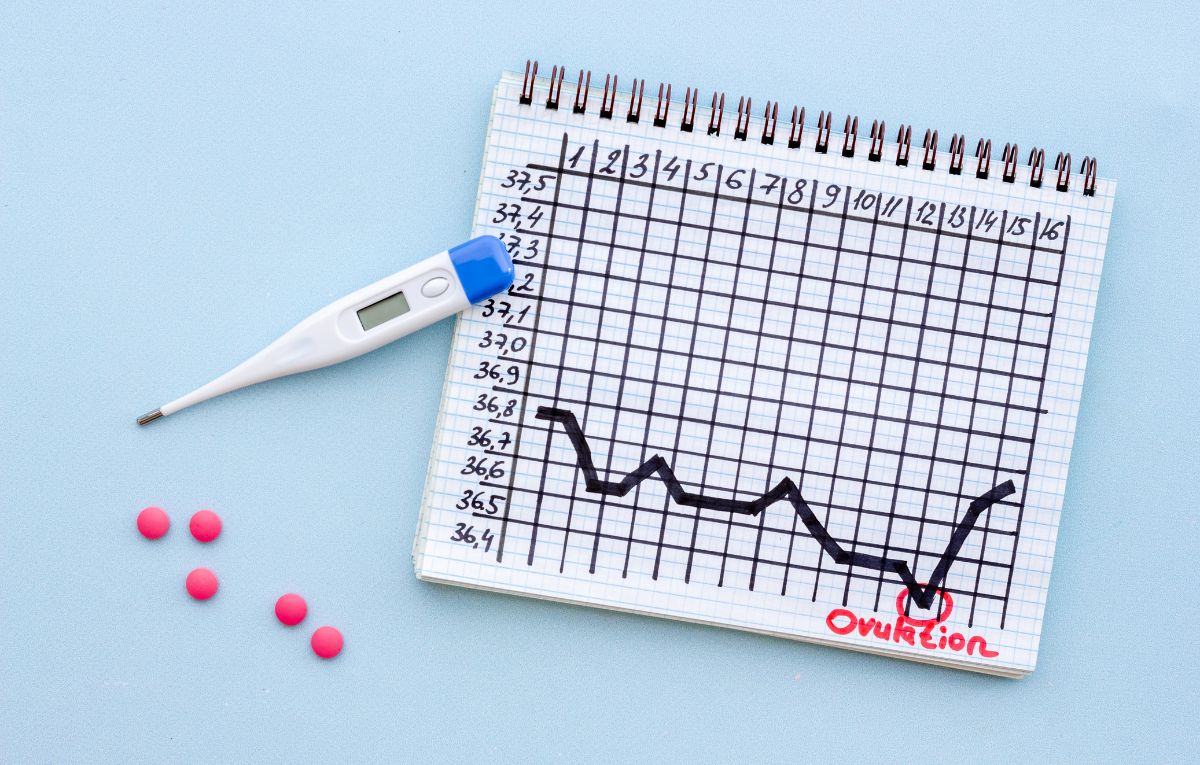
- Basal Body Temperature (BBT): If you take your temperature first thing in the morning, you will notice tiny spike right after you ovulate. This confirms the calculator’s prediction was correct, even if it only confirms it after the fact
- Ovulation Kits (OPKs): These are like pregnancy tests but measure the LH surge that happens 24 48 hours before an egg is released
Common Traps to Avoid
One significant mistake is using a calculator as a natural form of birth control. This is often called the rhythm method and it is notoriously unreliable for preventing pregnancy because ovulation is so flighty. Conversely, some people think they only have a chance on the specific day the calculator highlights. In reality, having intercourse two days before the big day is often more effective than waiting for the day itself.
Also, remember that a period does not always prove you ovulated. Some cycles are anovulatory, meaning the body goes through the motions of a period without ever releasing an egg. If a calculator says you are fertile but your physical signs like mucus never change, it is worth a conversation with a professional.
When Is It Time for a Specialist?
Data is power. If you’ve been using a calculator and timing intercourse correctly for six months to a year without a positive test, take those logs to a doctor. An ovulation calculator can help with timing, but it cannot diagnose underlying issues like blocked tubes, PCOS, or sperm quality concerns. Having a clear record of your cycles will help a specialist narrow down the issue much faster.
Conclusion
Think of an ovulation calculator as a weather forecast. It tells you that it might rain, so you should probably carry an umbrella. But you still have to look out the window to see if there are actually clouds in the sky.
Don’t let the app rule your life. Use it to find your general hot zone for the month, then pay attention to your body’s physical cues to confirm it. When you combine the math of a calculator with the reality of your own biology, you get a much clearer, more empowered picture of your fertility.